All Concerning Steel Factories: Understanding Their Function in Modern Production
Metal factories are essential in the manufacturing landscape, providing vital solutions through various spreading techniques. These centers transform molten metal right into strong forms, dealing with diverse markets. As modern technology advances, factories are embracing cutting-edge practices and strict quality assurance measures. The ecological impact of steel casting elevates vital questions. Comprehending these characteristics is considerable for understanding the complete value of factories in contemporary manufacturing. What obstacles and developments lie ahead for this sector?

The Essentials of Metal Casting Techniques
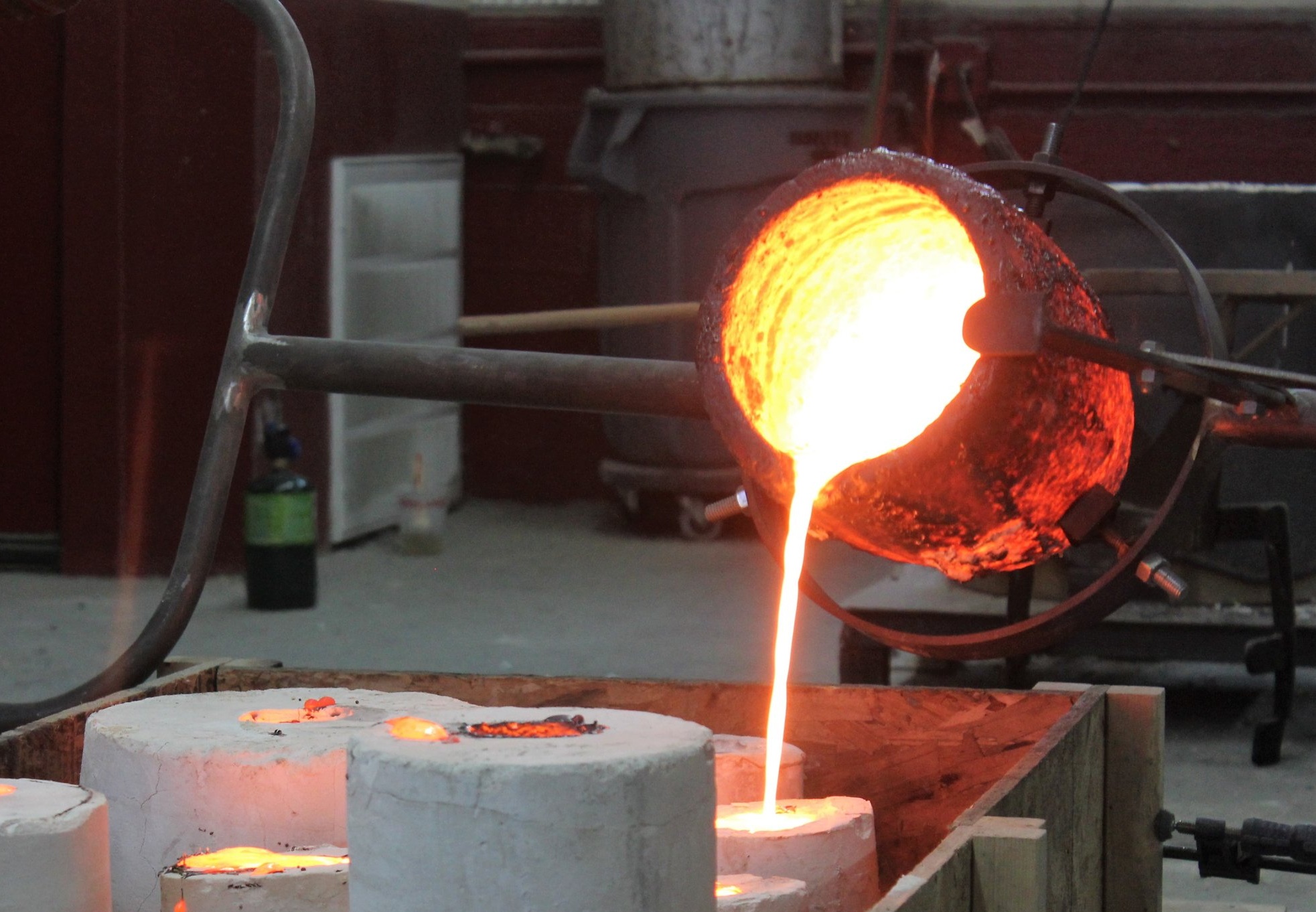
Steel spreading methods form the foundation of the metal factory market, assisting in the transformation of liquified metal into solid objects. These techniques incorporate several methods, each tailored to fulfill specific production requirements. Sand casting, among the oldest approaches, employs sand molds to develop detailed forms. Investment casting, understood for its accuracy, utilizes wax patterns covered in a ceramic covering, enabling for thorough layouts. Pass away casting, at the same time, depends on high-pressure shot of molten steel into steel molds, generating regular and top quality parts.
Shed foam spreading uses advantages in producing complex geometries without the requirement for standard mold production. Each casting technique plays a pivotal role in achieving wanted mechanical homes, surface area finishes, and production quantities. As markets progress, these techniques adjust to incorporate improvements in technology, guaranteeing efficient and sustainable manufacturing processes. Understanding these essentials gears up stakeholders to make informed decisions in steel production.
Kinds Of Metals Made Use Of in Factories
In the domain of shops, the selection of metals significantly influences the spreading process and the end product's performance. Different metals are utilized, each offering distinctive top qualities suited for various applications. Commonly utilized steels consist of aluminum, understood for its light-weight and corrosion resistance; actors iron, which offers outstanding wear resistance and machinability; and steel, valued for its toughness and longevity.
Additionally, copper alloys, such as bronze and brass, are preferred for their aesthetic charm and exceptional thermal conductivity. Specialty metals, like titanium and magnesium, are utilized in particular sectors as a result of their special properties, such as high strength-to-weight proportions.
The option of metal inevitably relies on the designated application, called for mechanical residential properties, and ecological factors to consider. Each kind of steel contributes distinctively to the foundry procedure and influences the total high quality and performance of the produced elements.
The Importance of Quality Assurance in Metal Foundries
Quality control plays a crucial role in making certain that the items made in steel shops meet sector requirements and client assumptions. This process involves systematic monitoring and evaluation of different phases of manufacturing, from resources choice to the last spreading. Implementing rigorous quality assurance actions aids identify defects early, lowering waste and rework prices.
Shops use a selection of testing methods, consisting of visual evaluations, dimensional checks, and metallurgical analyses, to validate that the spreadings abide by defined resistances and product residential properties. Regular high quality control not just boosts product dependability however additionally constructs customer count on and fulfillment.
Moreover, adherence to high quality requirements typically brings about conformity with regulative needs, which is substantial in sectors such as aerospace and auto. To conclude, quality assurance is necessary for maintaining the integrity of the spreading procedure and ensuring the longevity of metal factory items in affordable markets.
Innovations in Foundry Modern Technology
Advancements in modern technology are reshaping the landscape of metal foundries, enhancing performance and product quality. The integration of automation and robotics in foundry procedures has streamlined procedures, decreasing labor expenses and minimizing human mistake. Automated sand molding systems permit for faster manufacturing cycles and enhanced accuracy in casting forms. - Aluminum Foundry
Moreover, the adoption of innovative simulation software application has revolutionized the design stage, making it possible for engineers to forecast and deal with possible problems prior to physical manufacturing begins. This leads to a significant reduction in product waste and rework.
In addition, advancements in 3D printing modern technology are permitting the fast prototyping of facility elements, assisting in faster style version and personalization. The advancement of new alloys and products enhances the performance of actors items, fulfilling the evolving needs of different markets. Collectively, these developments are positioning metal factories at the forefront of contemporary manufacturing, efficient in supplying top quality items with higher efficiency.
Environmental Considerations in Metal Casting
As the steel casting industry evolves, environmental factors to consider are ending up being increasingly vital. Expanding awareness of environment change and resource exhaustion has prompted shops to take on sustainable methods. This consists of reducing power consumption and using cleaner innovations, such as electric heating systems and enhanced mold and mildew products that lessen emissions.
Recycling scrap steel has actually obtained prominence, not only to save resources yet likewise to reduce landfill waste. Foundries are additionally discovering different binders and coatings that are much less dangerous to the environment.
Governing pressures and customer demand for sustainable products better urge the industry to innovate. Partnership with ecological organizations aids metal foundries identify finest techniques and establish strategies for waste administration.
Frequently Asked Inquiries
What Are the Main Industries That Depend On Metal Foundries?
The primary sectors that rely upon metal shops consist of automotive, machinery, aerospace, and construction production. These industries rely on cast metal elements for their items, guaranteeing resilience and performance in various applications and environments.
Exactly How Do Shops Make Certain Worker Safety Throughout Metal Spreading Processes?
Shops apply stringent security methods, including individual protective equipment, air flow systems, and regular training programs. By keeping track of discharges and temperatures, they decrease hazards connected with metal spreading, making sure a more secure working environment for workers.
What Skills Are Essential for Employees in a Metal Shop?
Crucial skills for employees in a metal foundry consist of technical efficiency in equipment operation, focus to detail, analytical abilities, safety Metal Casting recognition, team effort, and strong interaction abilities to successfully work together in a vibrant production setting.
How Do Factories Handle Waste Materials and Recycling?
Foundries manage waste materials with methodical collection, partition, and reusing processes. They commonly repurpose steel scraps, use filtering systems for contaminants, and team up with reusing facilities to minimize environmental effect and advertise sustainability within their operations.
What Is the Normal Preparation for Steel Casting Projects?
The regular lead time for steel casting jobs ranges from several weeks to a few months, relying on variables such as complexity, materials required, and production capability. Timelines may differ based on specific job demands.
Steel factories are important in the production landscape, offering vital services via numerous spreading techniques. Aluminum Casting. Steel casting strategies develop the foundation of the metal factory sector, promoting the change of liquified steel right into solid items. In the domain of shops, the selection of metals considerably influences the casting process and the last product's efficiency. Quality control plays a crucial function in making sure that the products produced in steel shops fulfill industry criteria and customer assumptions. The major markets that rely on metal foundries consist of vehicle, building, equipment, and aerospace manufacturing
Comments on “Why Aluminum Casting reshapes lightweight production in engineering”